Rooted in Memory, Moving in Resistance
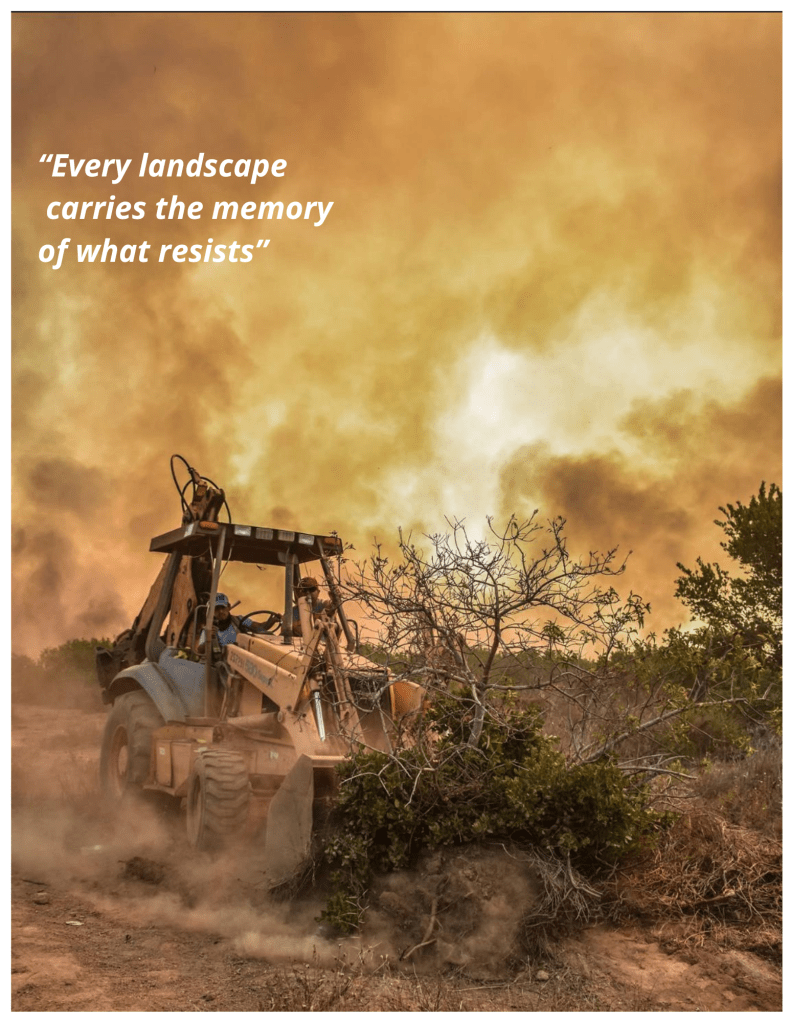
Scenic Landscape in Resistance originates in southern Rosarito as a living archive of natural and cultural memory. It is a project where art, sound, and the body engage in dialogue with the land, the flora, and the knowledge that inhabits it, exploring how what appears inert—plants—becomes both witness and metaphor for the displacements we experience.
The project proposes a performative installation based on the study of endemic plants, species that have accompanied local communities for centuries. Every leaf, root, and flower holds ancestral knowledge: traditional medicine, culinary practices, names and words in the Kumiai language, and stories of attachment and care. When these plants disappear or are displaced by real estate and tourism developments—many with foreign capital—not only is biodiversity lost, but also community memory, identity, and the languages that name and explain the natural world.
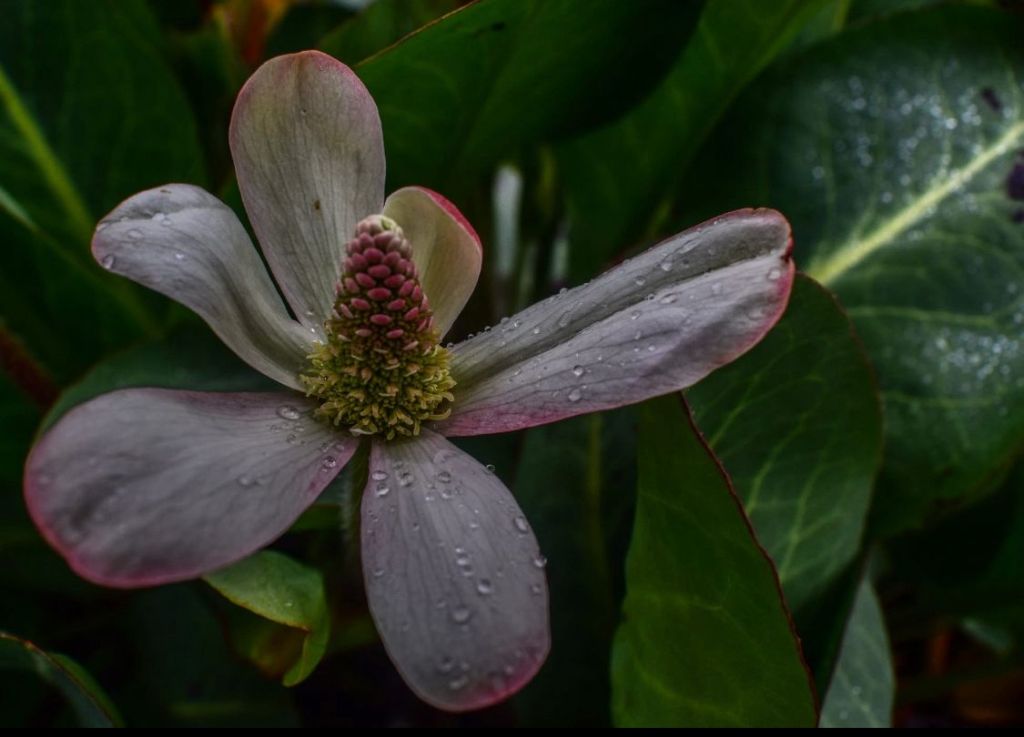


An example is the Salvia Blanca, a species that shifts or fragments with urban expansion, reflecting the migration of communities and the risk that the Kumiai words describing it may fade. Flora and culture intertwine: every natural displacement mirrors human displacement, and vice versa.


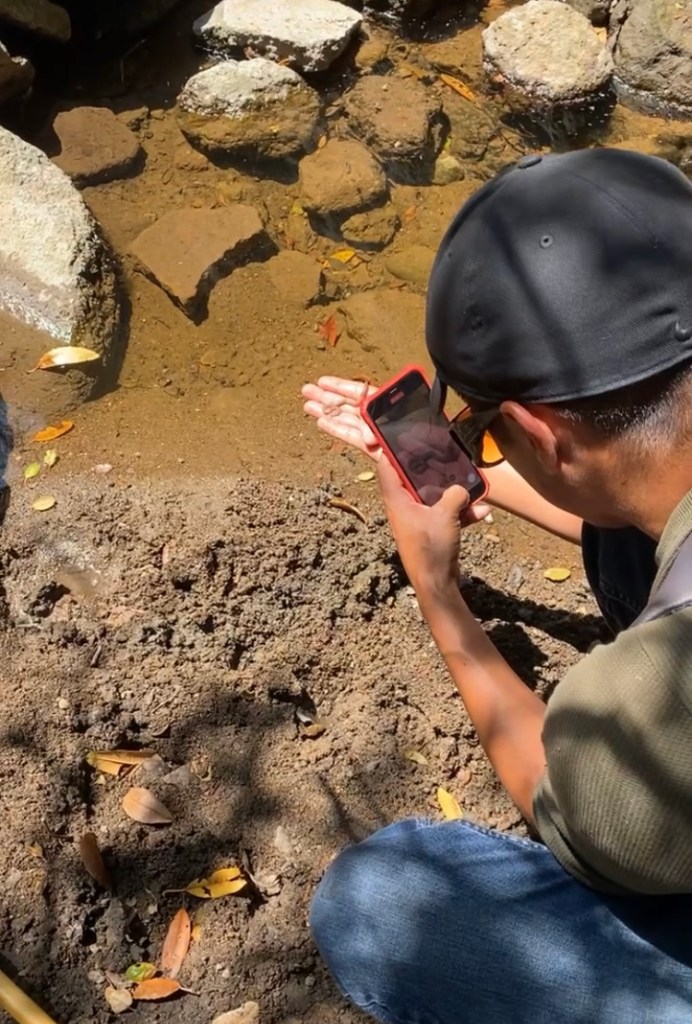
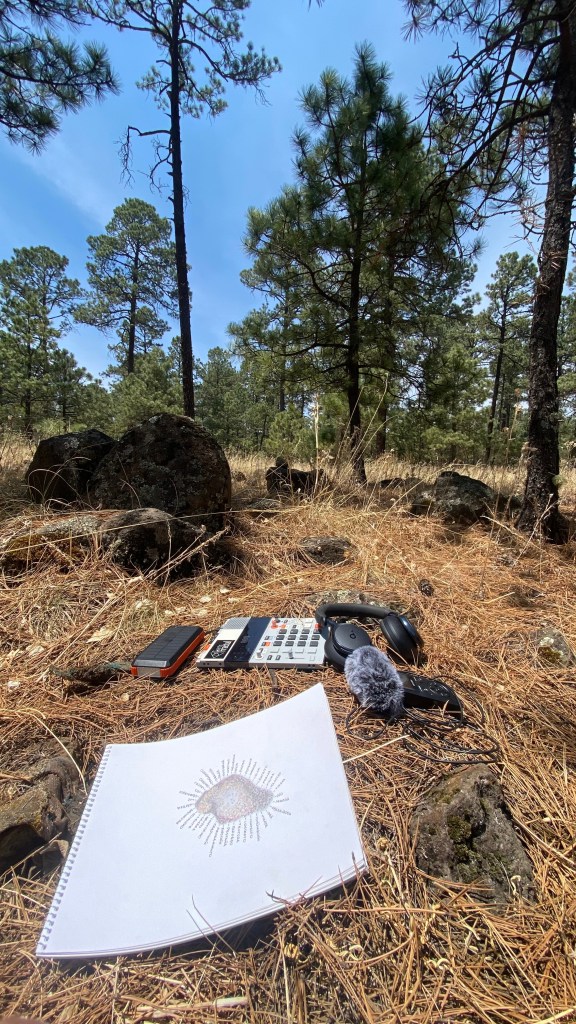
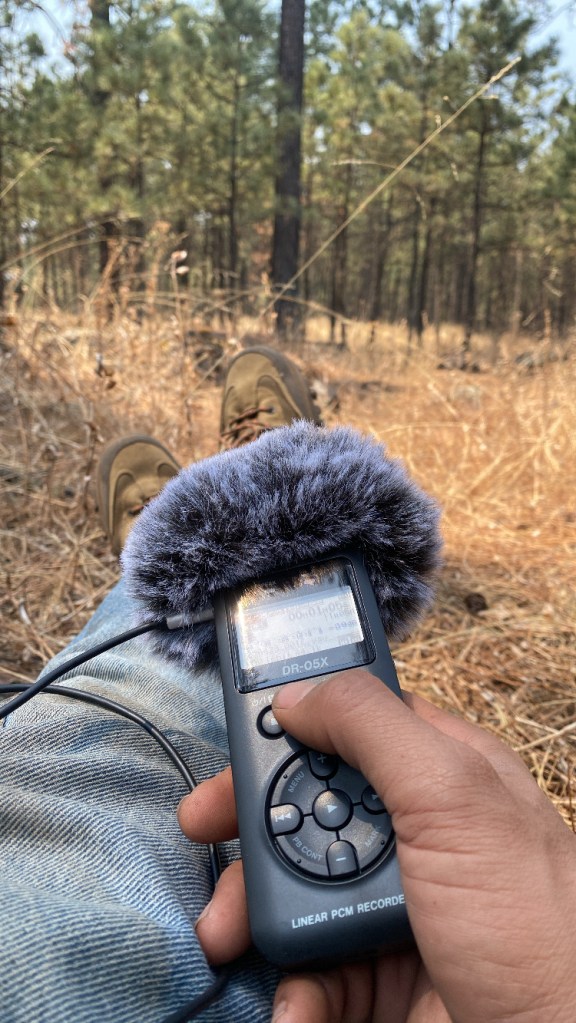
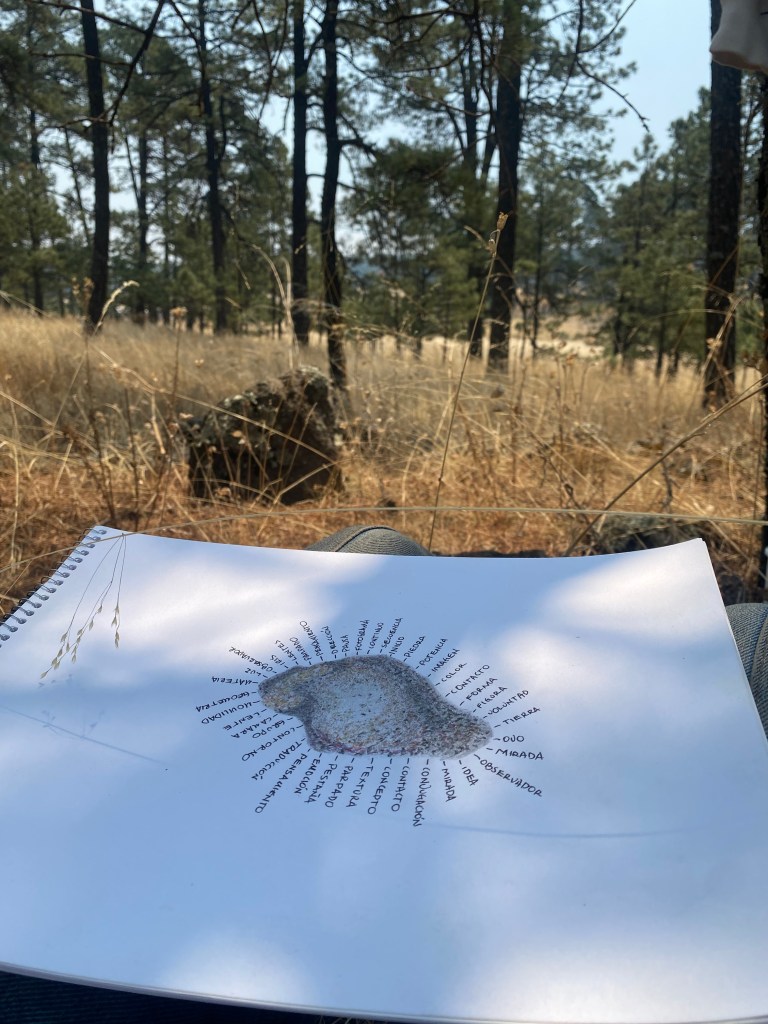
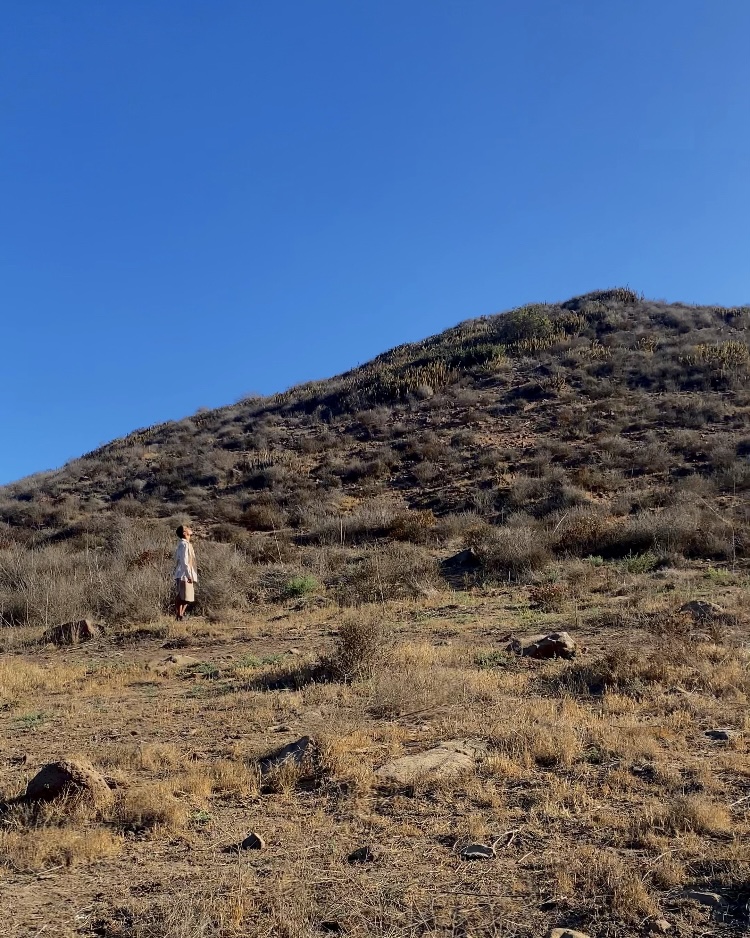
During the initial research phase (January–March 2025), supported by the Baja Rosarito Association, the team traversed the territory conducting interpretive walks, conversations with local inhabitants, field recordings, and choreographic mappings. Each photograph, sound recording, movement sketch, and testimony contributed to a sensitive archive documenting the resilience of the flora and the memory of those who inhabit it.
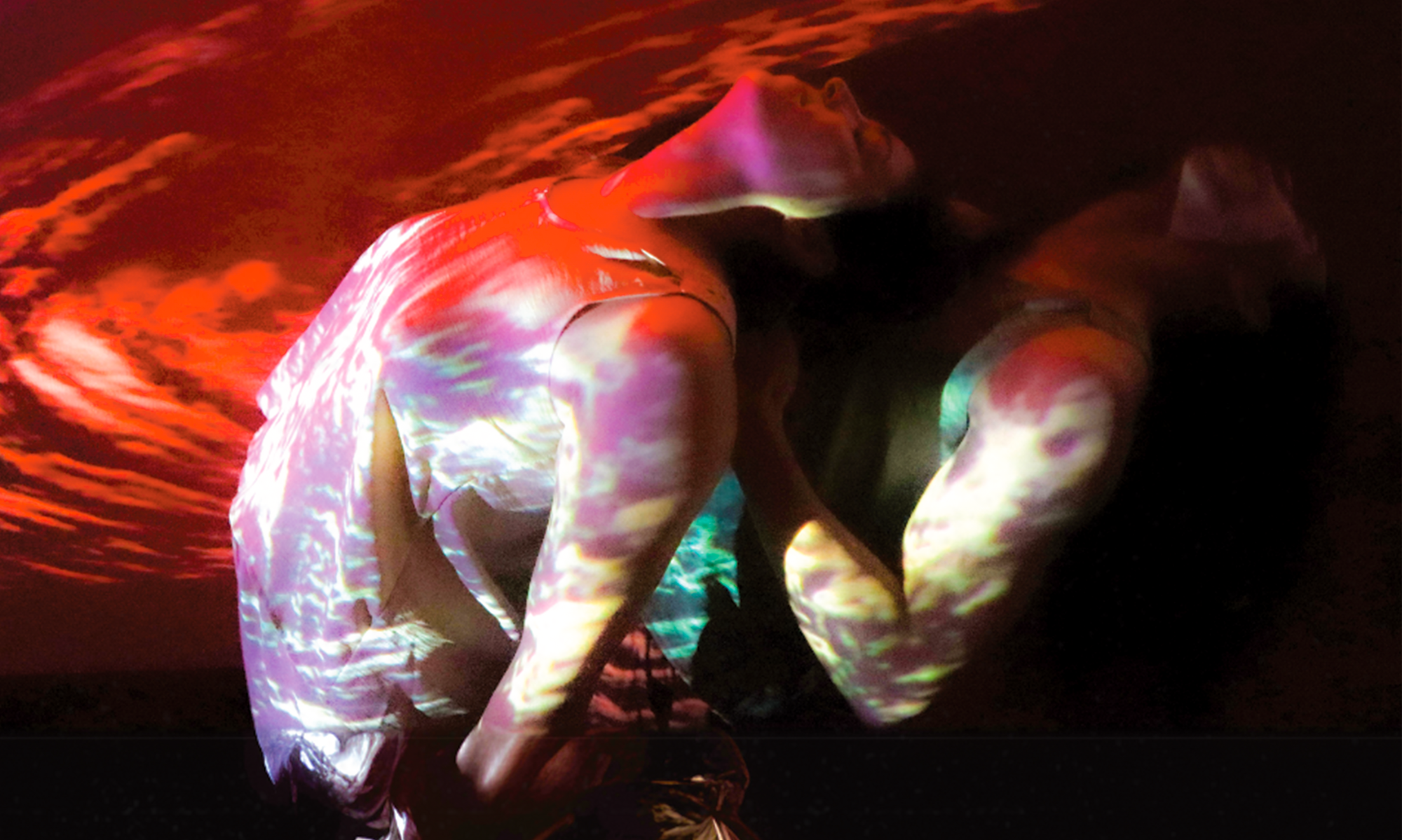
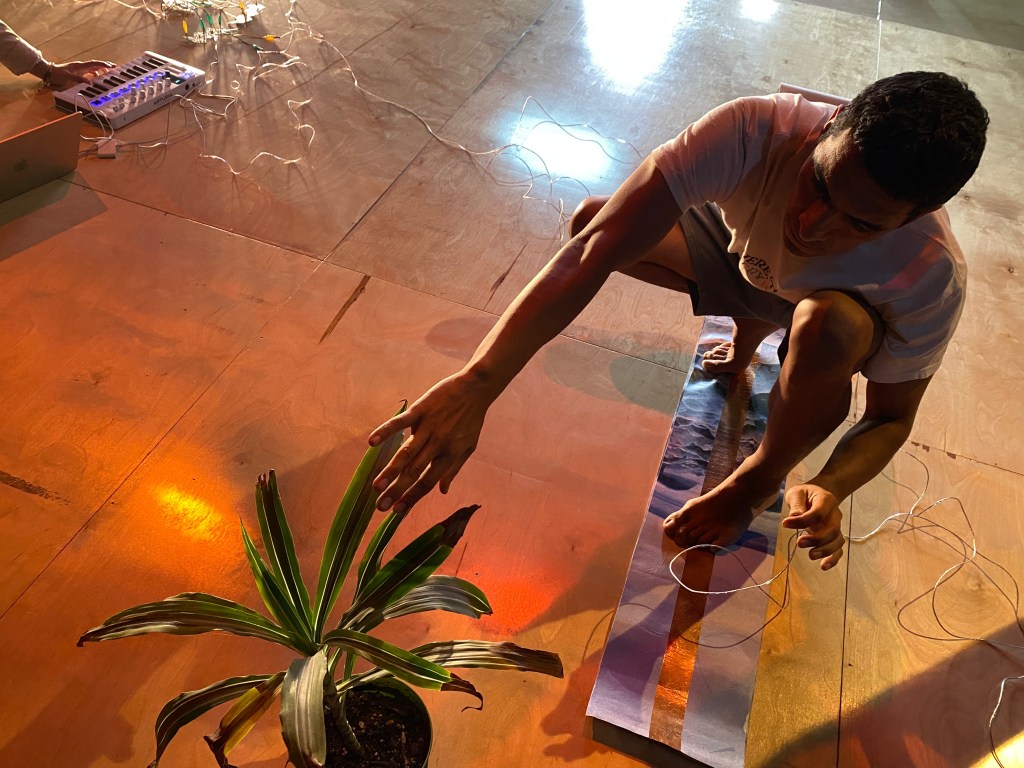
This archive will serve as the foundation for a performative installation, where body, image, and sound articulate the memory of the territory, flora, and language. The project invites the public to recognize the interconnection between nature and culture, perceiving that the displacement of living beings—vegetal or human—leaves profound traces that can be heard, seen, and felt.
Weaving body, choreography, image and sound.
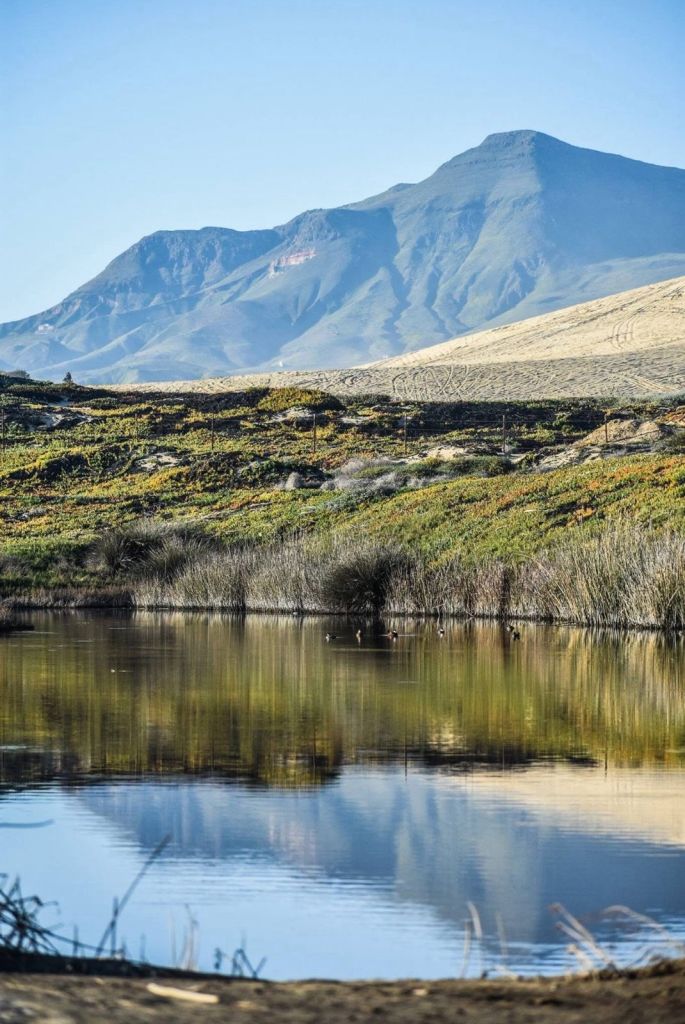

The first phase of Landscape in Resistance focuses on field research and documentation, creating a multidimensional archive that combines visual, sound, social, and choreographic records:
- Social and Choreographic Mapping: interviews, interpretive walks, movement sketches, and the collection of ancestral knowledge related to plants.
- Visuals: photographs, species location maps, and documentary records of the flora.
- Sounds: field recordings, soundscapes, voices of local inhabitants.
The research enables an understanding of the correlation between flora migration and human displacement, as well as the vulnerability of indigenous languages. The subsequent installation will activate this archive, transforming the records into a performative experience where body, image, and sound engage in a sensitive dialogue with the visitor.
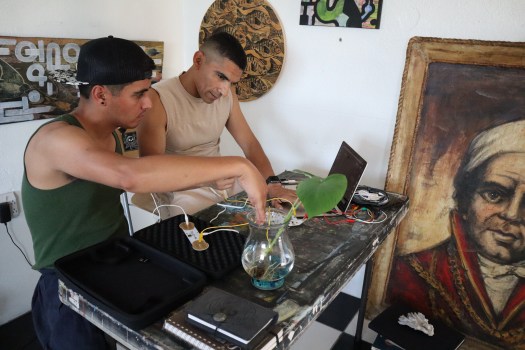
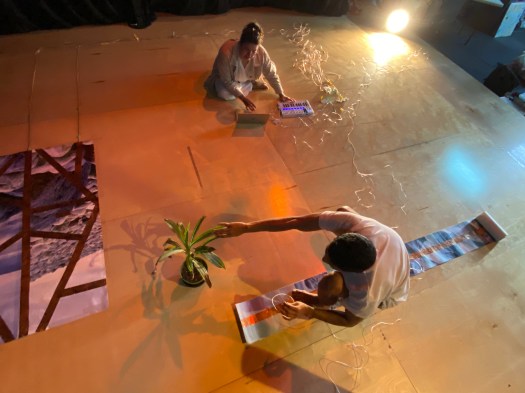
Visual Archive
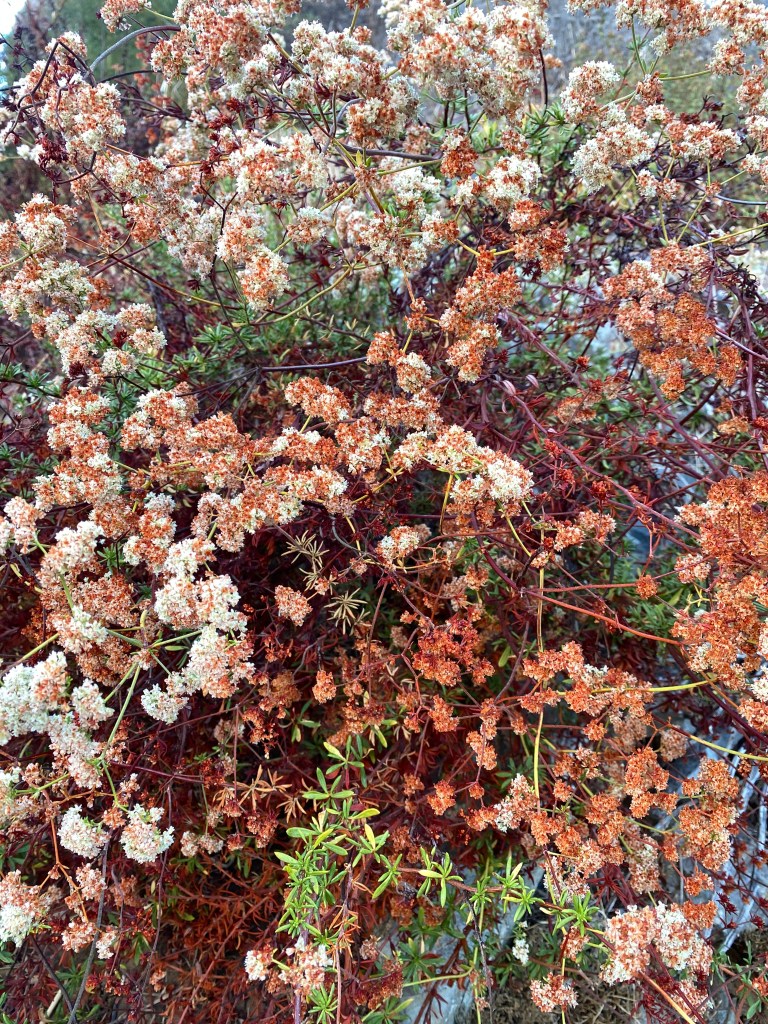
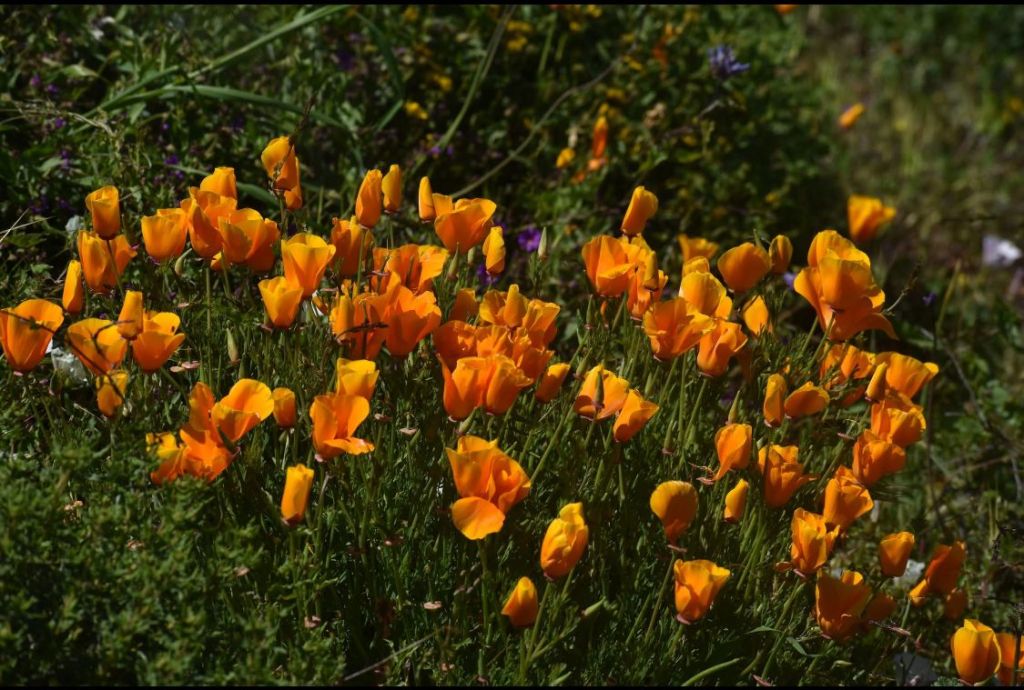
The image collection documents threatened endemic plants, many located in coastal scrublands and hills at risk due to urban development. Each record functions as a contemporary herbarium, showing not only the species but also the memory it contains: its relationship with local communities, its Kumiai name, and traditional uses.
Examples of documented species:
- Salvia Blanca: emblematic regional plant linked to rituals and medicinal uses.
- Endemic Flor de California of coastal scrublands.
- Traditional medicinal plant Hierba del Manso used in local infusions and ointments.
Archive and Choreographic Mapping of the Area
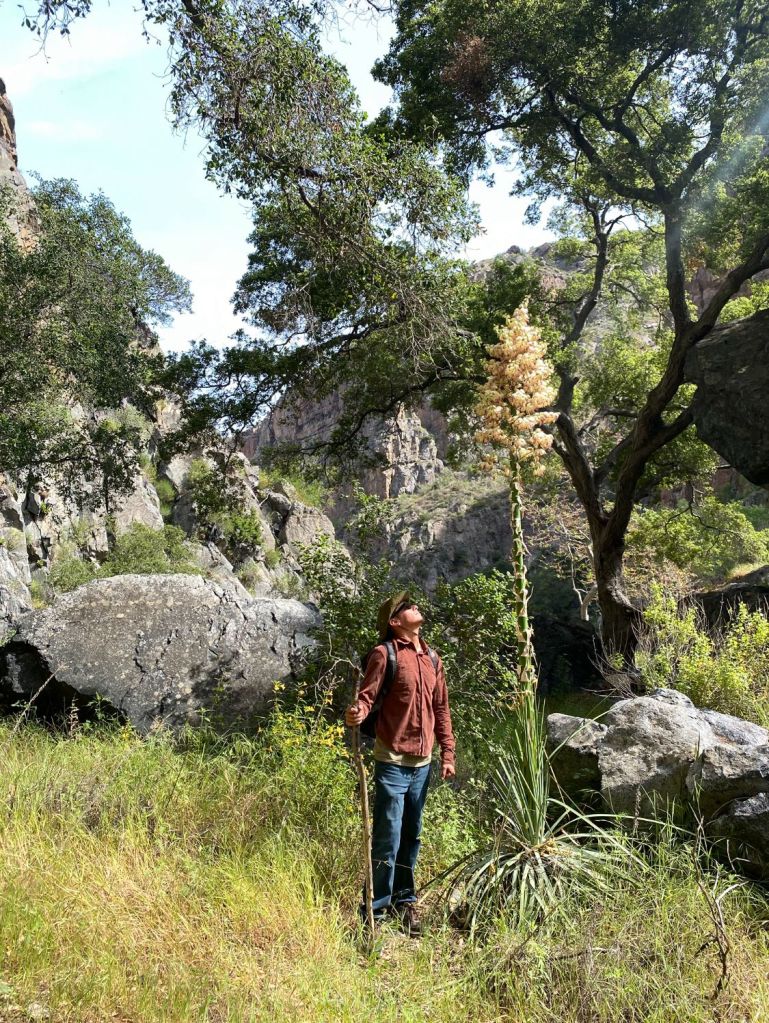
As part of the research, we created movement maps and choreographic routes based on the geography and rhythms of the flora:
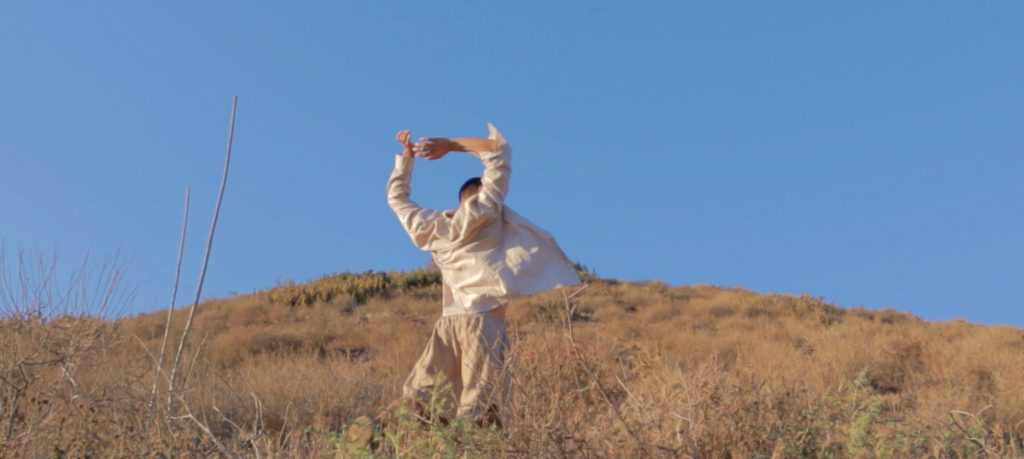
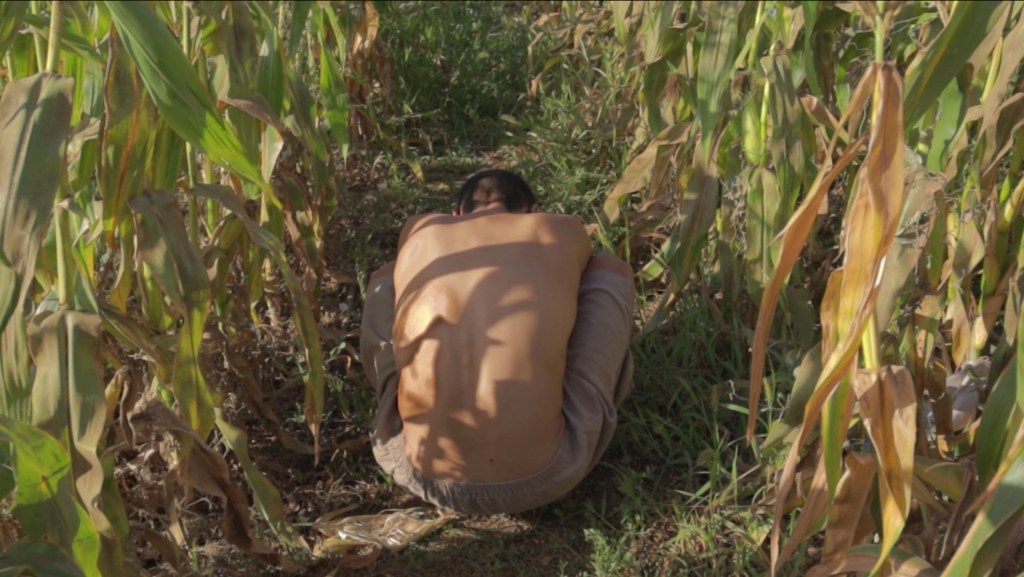
- Field walks as performative gestures: steps, pauses, interaction with plants.
- Mapping zones of species concentration and visible displacement due to urbanization.
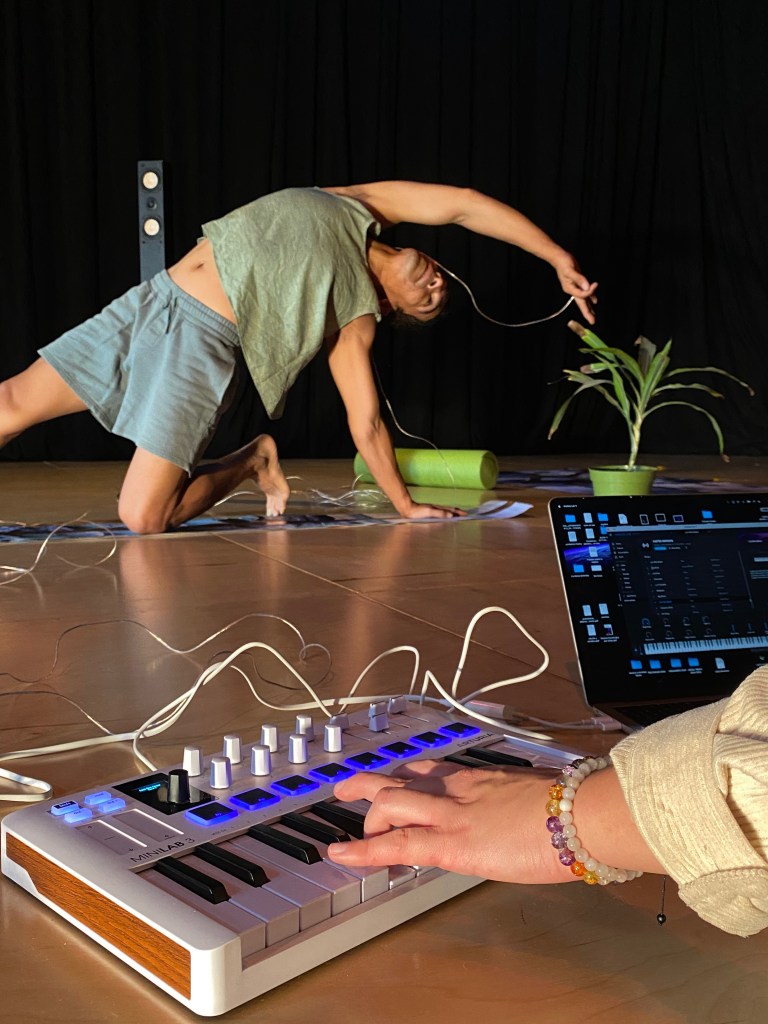
- Audiovisual documentation of the relationship between body and territory: how bodily movement dialogues with the natural and social landscape.
These mappings function as scenic material to be activated in the second phase of the project, transforming the archives into a performative installation where body, image, and sound intersect with the memory of the place.

Sound Archive
The sound recordings include:
- Natural landscapes: wind through leaves, waves, bird and insect sounds.
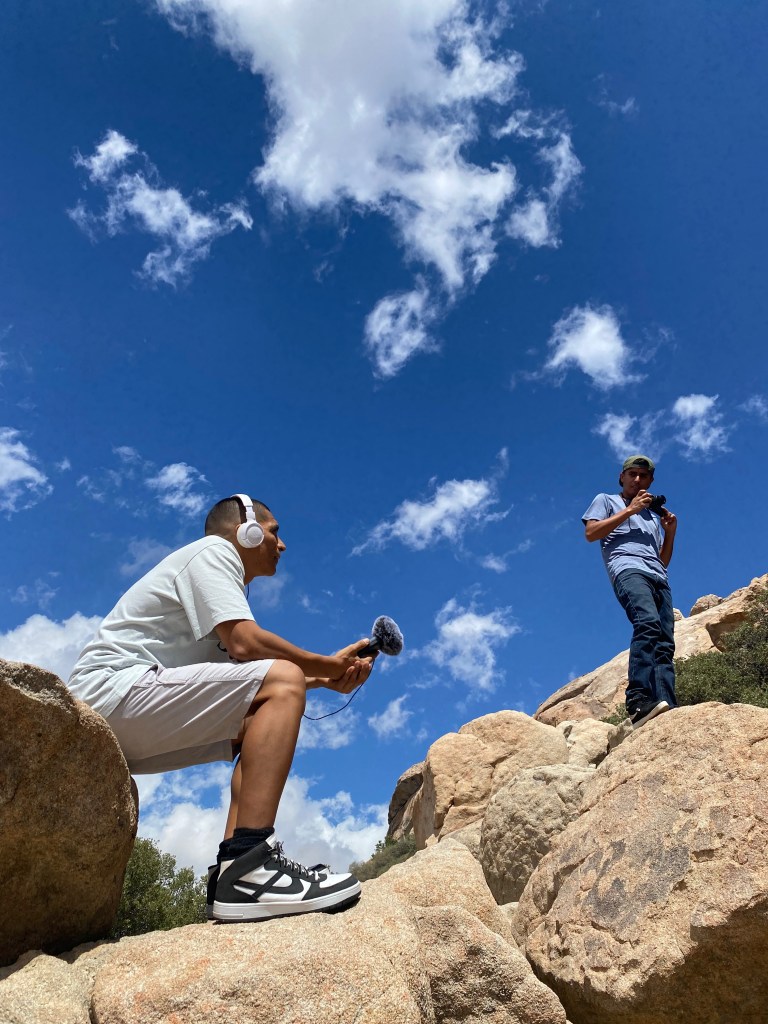
- Field recordings: conversations with inhabitants, accounts of medicinal and cultural uses of flora.
- Interpretive walk activities: guides’ voices, footsteps on the ground, interaction with the environment.
This archive allows visitors to hear the memory of the territory and sense how the displacements of flora intertwine with human and linguistic displacements.

Artistic Team
Érika Sepúlveda – Sound Design
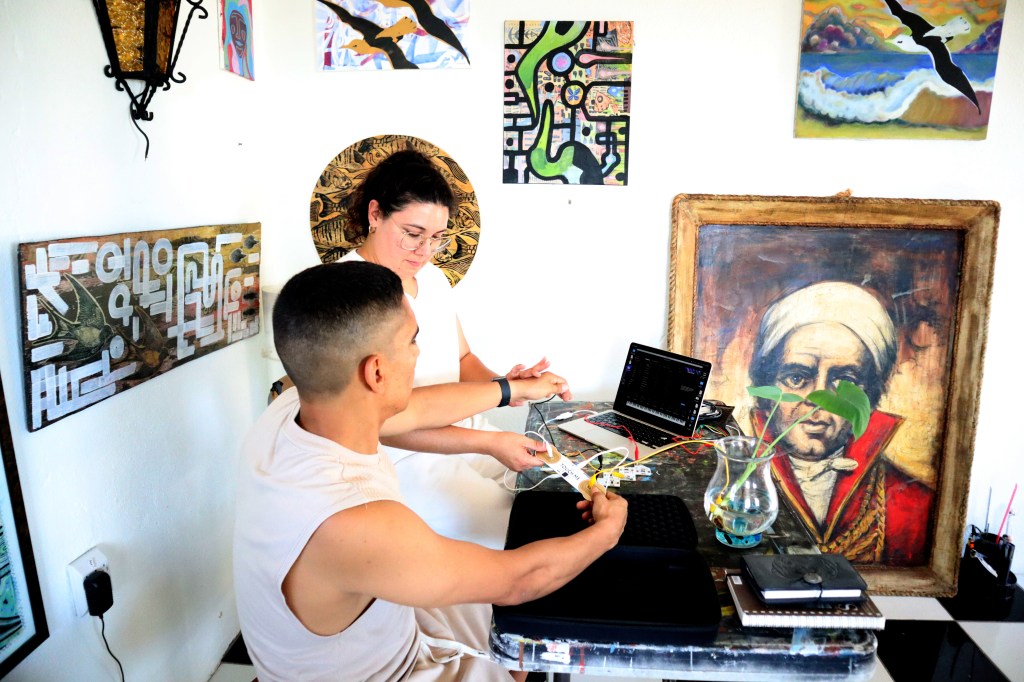
Érika Sepúlveda is a sound designer and interdisciplinary artist, specializing in soundscapes and field recordings. In this project, she captures and designs audio, transforming recordings of flora, wind, water, and local voices into a sound archive that articulates the ecological and cultural memory of the territory.

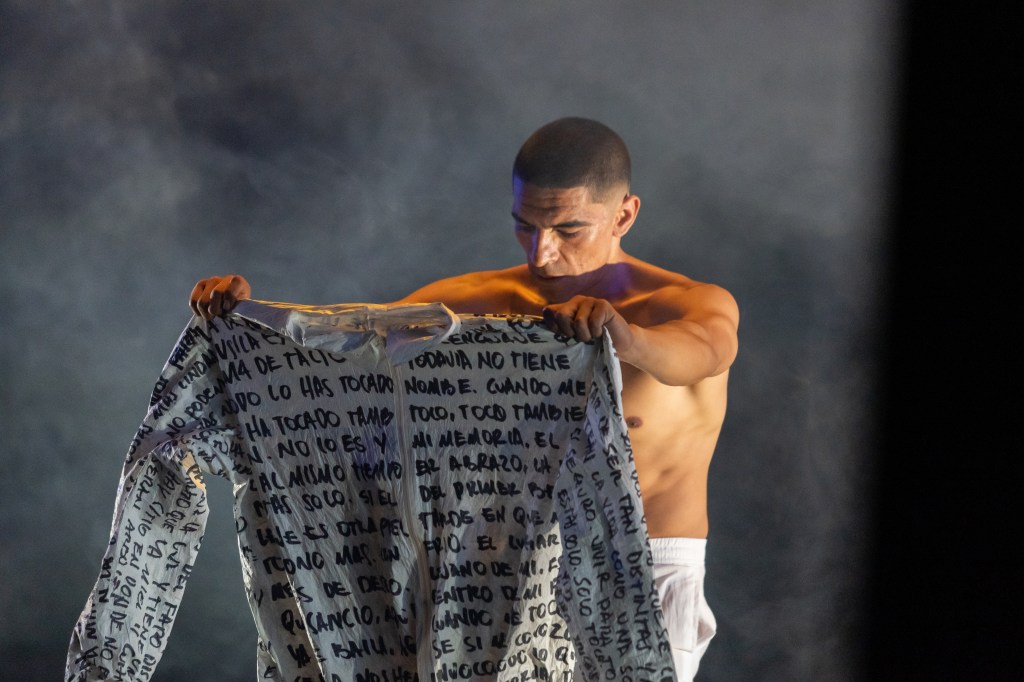
Gabriel Ledón – Direction and Performance
Gabriel Ledón is a performing and sound artist, director of the research platform Cuarto Fractal (Tijuana, 2016). His work explores the relationship between body, memory, and territory, combining contemporary dance, performance, and sound design. In Landscape in Resistance, he leads the scenic research and performative activation of the archive, connecting body and landscape in dialogue with the cultural memory of the northern border.

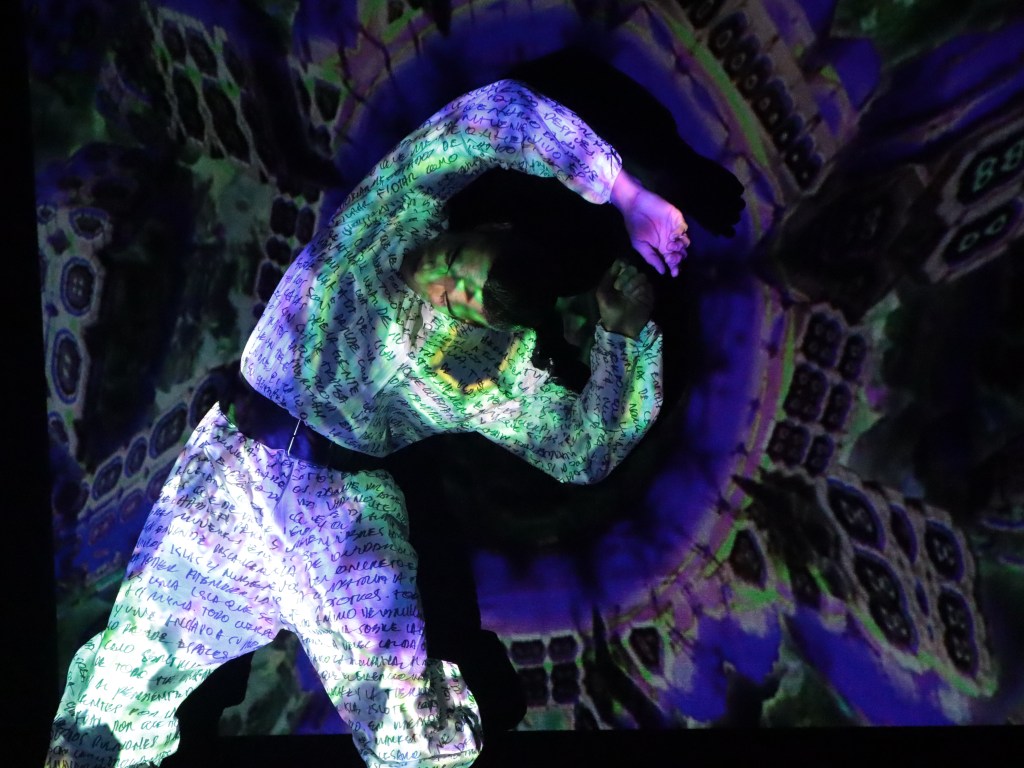
Carlos Delgado – Visuals and Performance
Carlos Delgado is a visual artist and performer, whose work investigates the intersection of image, body, and territory. he documents the endemic flora and collaborates in creating performative routes that translate the natural and social landscape into visual and scenic material, reinforcing the narrative of displacement and resistance.
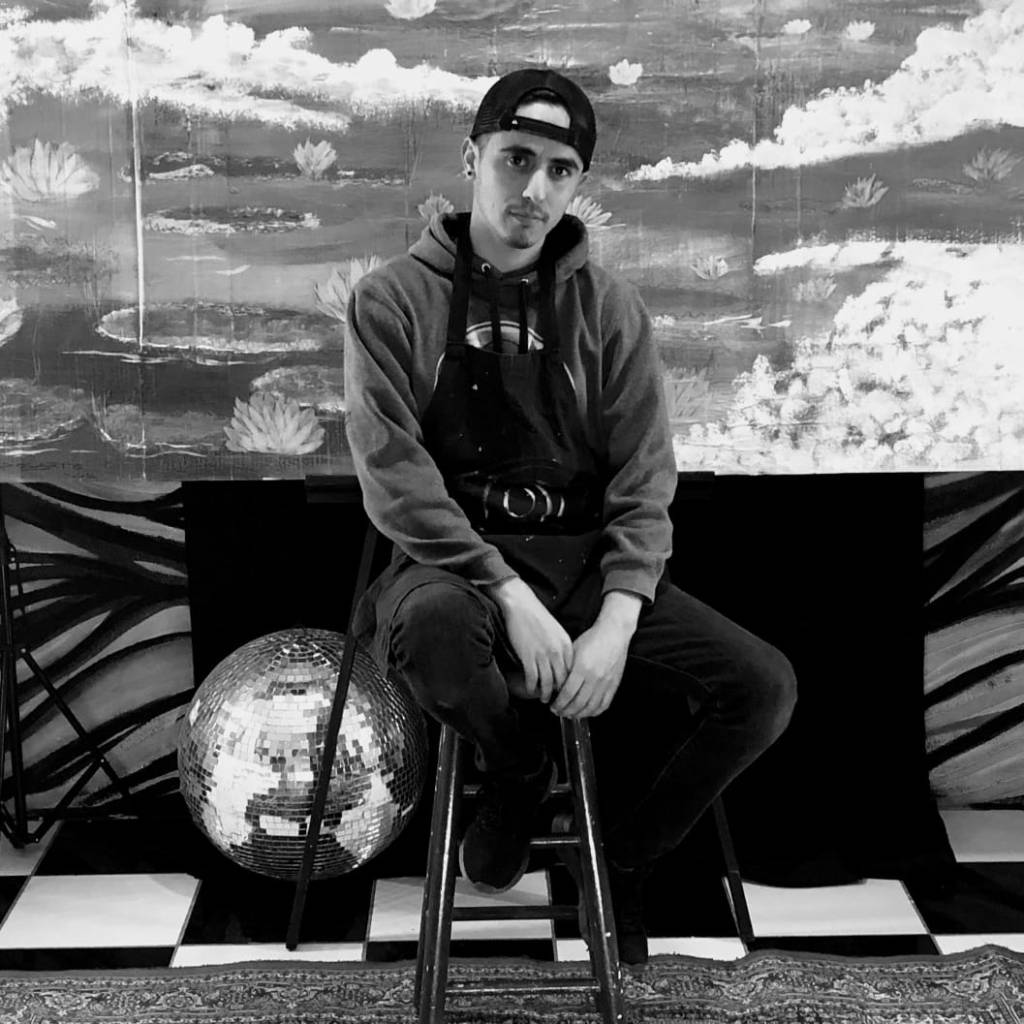
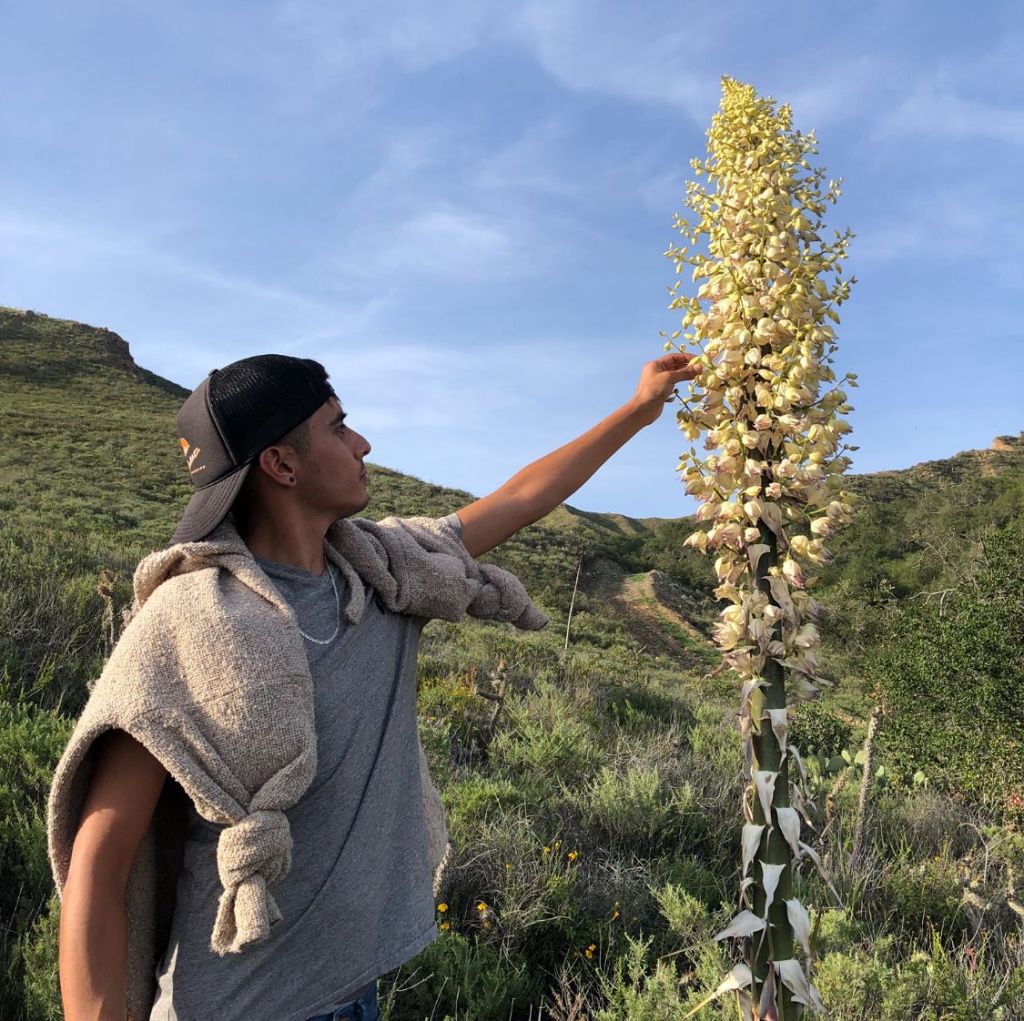

The interdisciplinary collaboration created an integral archive, where each artistic perspective connects with the memory of the territory, flora, and indigenous languages.
NEXT STAGE
The second phase of the project will activate the archive through an international performative installation. This stage will transform the documentation into a sensory experience, connecting audience, landscape, and memory, and deepening the relationship between flora displacement, human migration, and the preservation of cultural knowledge.
 Cuarto Fractal